You’re halfway through cooking dinner, the kettle’s just clicked on, and suddenly the lights go out. You head to the switchboard, flip the safety switch back up, and twenty minutes later it happens again. If your safety switch keeps tripping, it isn’t broken. It’s doing the exact job it was designed to do, and that’s a good thing.
After more than a decade working on homes across Kempsey, South West Rocks, and Frederickton, we’ve seen this issue come through on call-outs almost every week. Coastal humidity, summer storms rolling in off the Pacific, and the older wiring still sitting in plenty of Mid North Coast homes all put extra pressure on residential electrical systems. Here’s a plain-English look at why it happens and what you can safely do about it.
Need a Trusted Local Electrician?
From electrical repairs to solar and smart home solutions, we’re here to help. Get your free quote today.
What a Safety Switch Actually Does
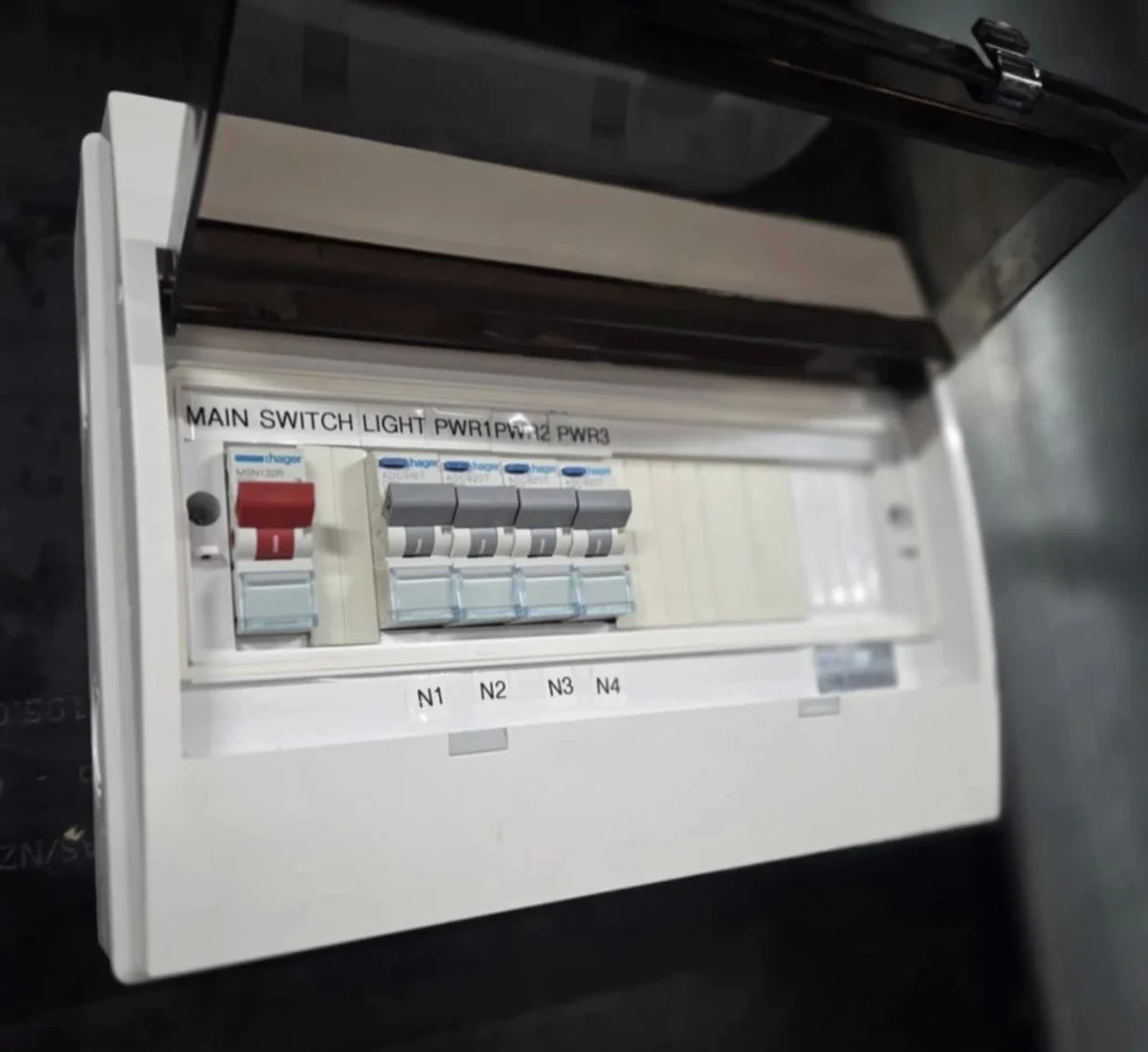
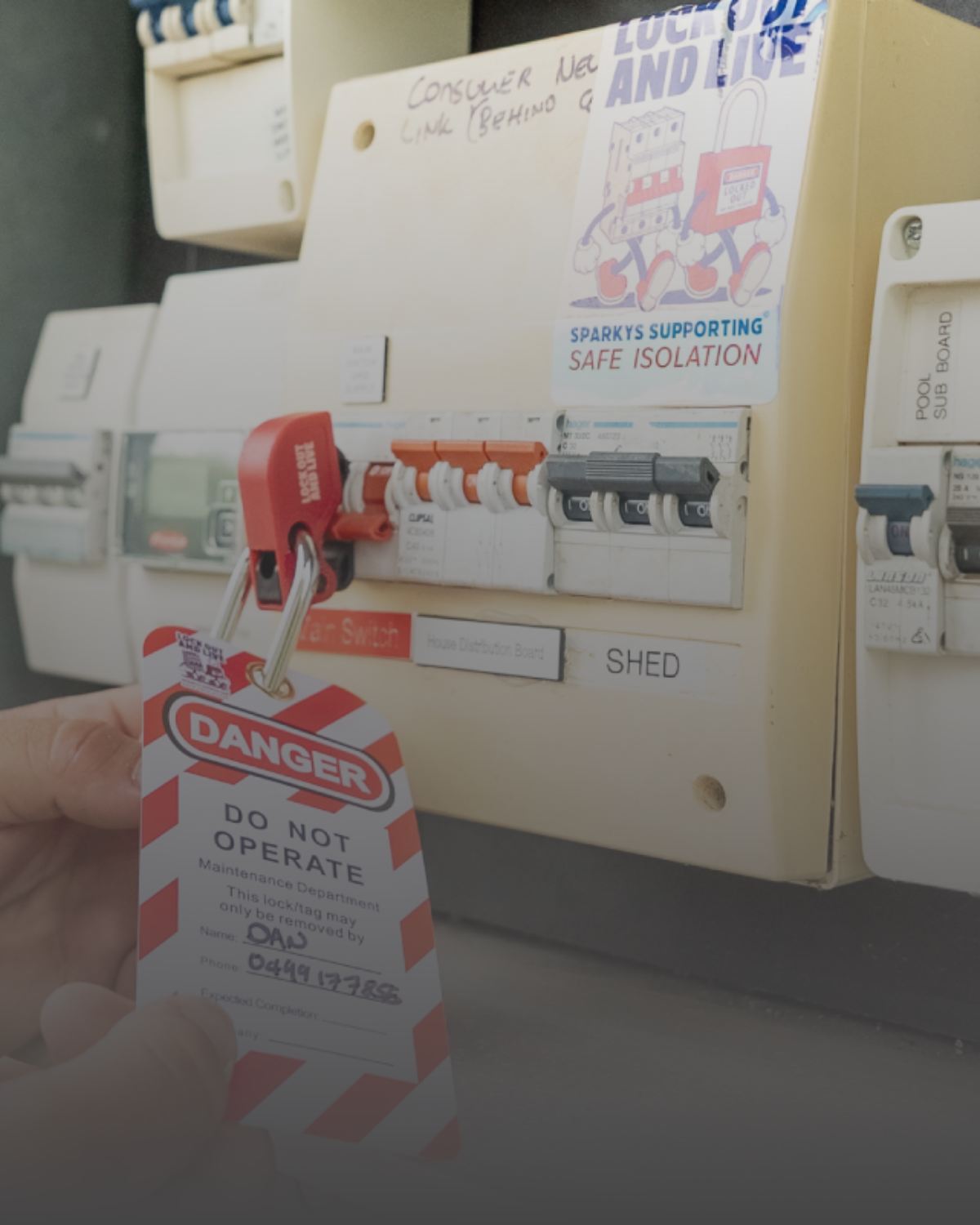
A safety switch (also called an RCD, or Residual Current Device) constantly monitors the electricity flowing through your circuits. If it picks up even a tiny imbalance, usually because current is leaking somewhere it shouldn’t go, like through a person or wet wiring, it cuts the power in less than a second. That fast reaction is what protects your family from electric shock and your home from electrical fires.
It’s worth remembering: a safety switch is not the same as a circuit breaker. Circuit breakers protect your wiring from overload. Safety switches protect people.
The Common Reasons Your Safety Switch Trips
1. A Faulty Appliance
This is by far the most common cause we diagnose on residential call-outs. As appliances age, internal components break down and start leaking small amounts of current. Kettles, washing machines, dishwashers, fridges, and old toasters are repeat offenders, and we’ve pulled more than a few failed heating elements out of holiday rentals along the coast.
Quick check: Unplug every appliance on the affected circuit (turning them off at the wall is not enough, you need to physically remove the plug). Reset the safety switch. If it stays on, plug each appliance back in one at a time. The one that trips it is your culprit.
2. Moisture and Water Ingress
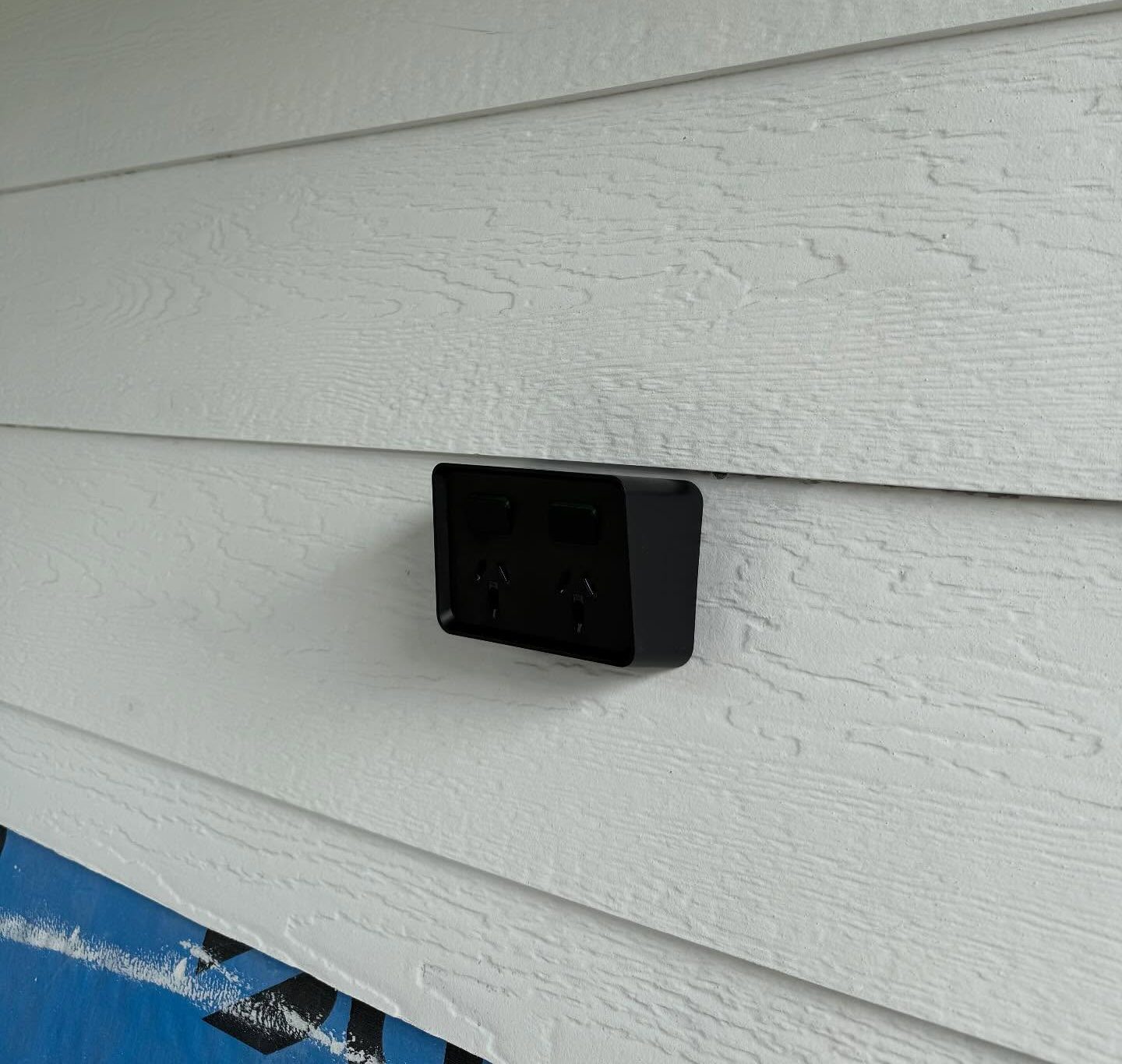
Living on the Mid North Coast means salt air, heavy rain, and the occasional southerly that gets into places it shouldn’t. Water in outdoor power points, light fittings, ceiling cavities, or shed wiring will trip a safety switch instantly. If your switch only trips during or after rain, moisture is almost certainly the issue and worth a proper switchboard and circuit inspection by a licensed electrician.
3. Overloaded Circuits
Too many high-draw appliances running on the same circuit, think air conditioner, dryer, and dishwasher all at once, can cause nuisance tripping. Many of the older Kempsey homes we work on were wired well before today’s electrical demand, and the switchboard simply can’t cope.
4. Damaged or Ageing Wiring
Rodents in the roof cavity, old rubber-insulated cables, sun-perished outdoor wiring, or dodgy DIY work from a previous owner can all cause persistent current leaks. If your safety switch trips even with everything unplugged, the fault is in the wiring itself and needs a qualified electrician straight away.
5. A Faulty Safety Switch
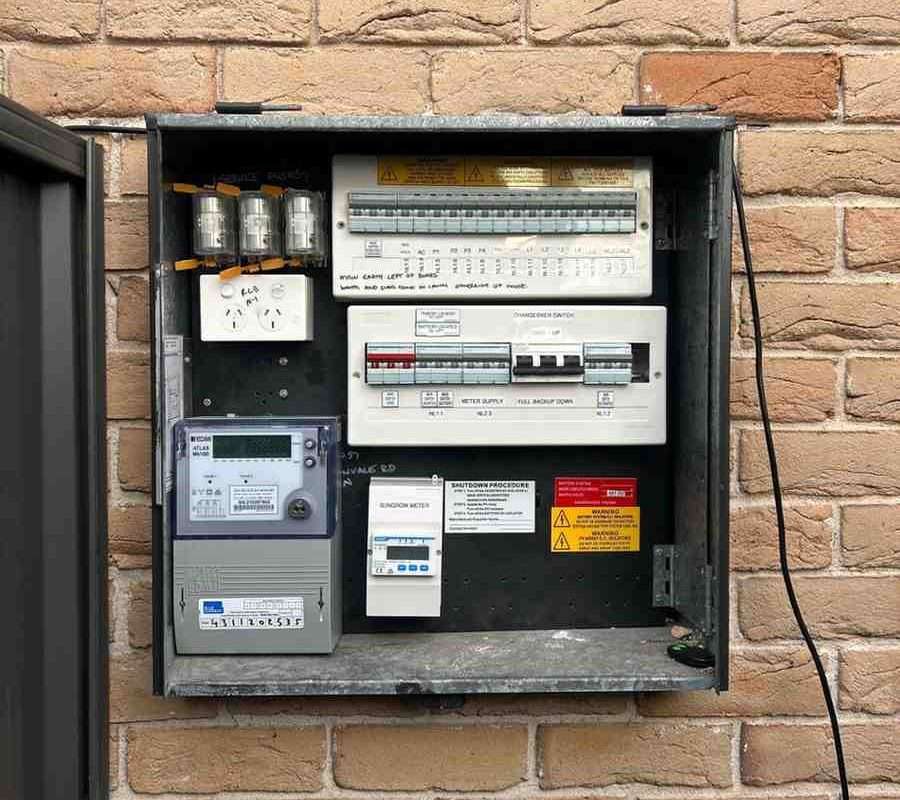
Safety switches don’t last forever. Units older than 10 to 15 years can develop internal faults and trip without any real problem on the circuit. If yours is original to a 1990s home, it’s probably due for replacement, and we’d recommend a full switchboard assessment at the same time since older boards often hide other issues.
6. Storms and Power Surges
Mid North Coast summer storms are no joke. Lightning strikes and power surges can trip safety switches and even damage them permanently. If your switch trips during a storm, wait until the weather passes before attempting to reset.
What You Can Safely Check Yourself
Before calling anyone, try this:
Never open the switchboard, never bypass a tripping switch, and never reset a switch repeatedly if you can smell burning, hear buzzing, or see scorch marks. Those are signs of a serious fault that needs immediate attention from a licensed electrician.
When to Call a Licensed Electrician
Call a qualified sparkie if your safety switch:
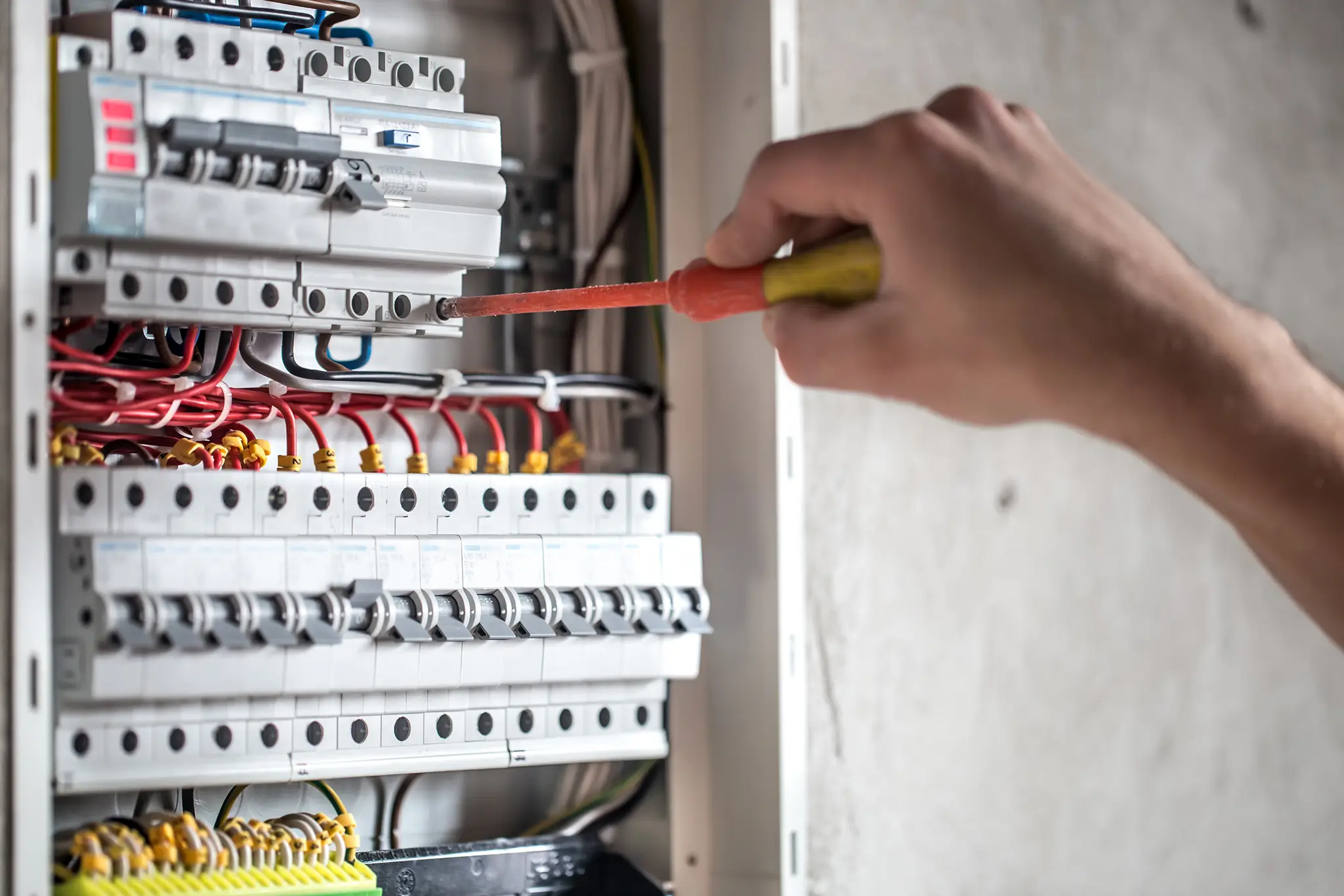
These signs point to wiring faults, hard-wired appliance issues, or a failing switch itself, all of which need a licensed professional to diagnose and repair safely. Under NSW regulations, only a licensed electrician can legally work inside your switchboard, and there’s a good reason for that.
Local Help You Can Trust
At Activ Electrical Contracting, we’re a family-run team based in Frederickton, servicing Kempsey and homes right across the NSW Mid North Coast. We’re fully licensed (Lic. #469737C), director-led, and every job is done by the same hands that quoted it, no middlemen, no subcontractors, no surprises. After-hours and weekend emergency callouts are available too, because electrical faults rarely wait for business hours.
Power Your Home with Confidence
Quality electrical solutions, delivered by a licensed, family-run team you can trust. Contact us today.
 0499 177 858